Solutions

Fire Control & Sensor Integration

FDI Technology develops integrated fire-control and sensor architectures that connect electro-optical surveillance, target detection and tracking, AI-assisted target assessment, ballistic computation, fire-control functions, operator interfaces and compatible weapon platforms within a coordinated operational environment.

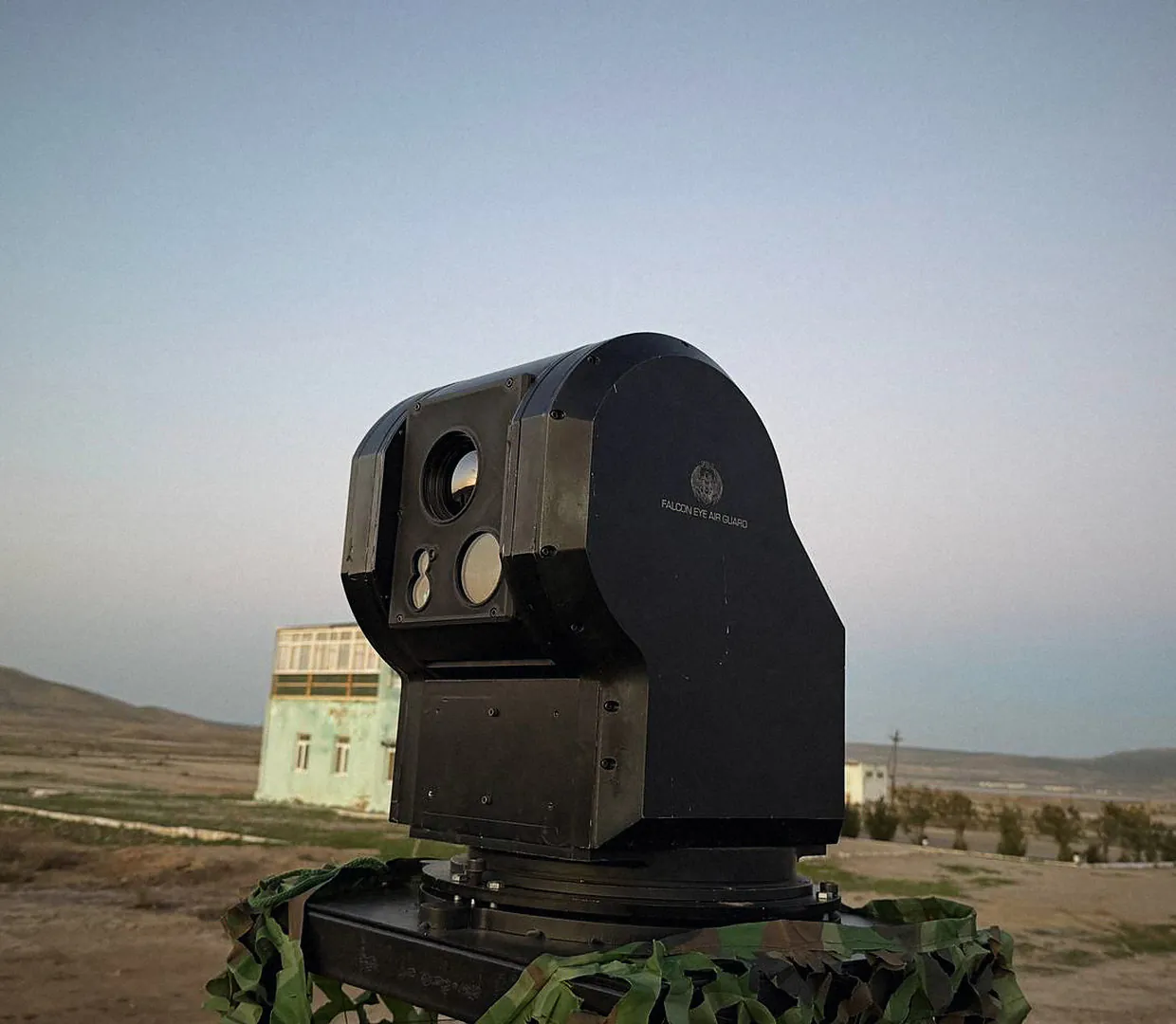
Electro-optical assembly of FALCON EYE, FDI Technology’s integrated tracking, fire-control and ballistic-computation system.

FALCON EYE

Electro-optical tracking, ballistic computation and integrated fire control.

At a glance

What is FDI Technology’s Fire Control & Sensor Integration solution?

FDI Technology’s Fire Control & Sensor Integration solution combines electro-optical sensors, target tracking, AI-assisted target detection and classification, ballistic computation, fire-control functions, operator interfaces and compatible weapon platforms within a coordinated system architecture.

Available target, range, platform-state and environmental information can be evaluated within the fire-control process to support ballistic computation and operator-controlled engagement.

FALCON EYE provides the core electro-optical tracking, fire-control, ballistic-computation and sensor-integration capability used in relevant FDI system configurations.

Integrated Fire-Control Architecture

A fire-control system brings together information, operator controls and weapon-platform interfaces. Its value depends on how these elements work together within a defined mission configuration. Electro-optical sensors provide observation inputs, while target detection and tracking establish the information used during target evaluation. Available range, target-motion, platform-state and environmental information can be considered within the same operational context rather than treated as isolated component outputs.

FDI Technology approaches this requirement as a system-integration task. Sensor interfaces, tracking information, ballistic computation, fire-control processing and operator controls are considered alongside the characteristics of the compatible weapon platform. Integrated ballistic-computation functions, provided by a ballistic computer, evaluate available information to support the generation of fire-control solutions for compatible weapon configurations. These functions support the operator’s target evaluation and engagement decision process.

The integration scope also includes the existing command-and-control environment and the way the configuration is intended to operate within it. Interface requirements, available information and platform constraints inform the system composition. This approach keeps the emphasis on the relationship between subsystems, rather than presenting an individual sensor or weapon as a complete fire-control solution.
Sensor-to-Engagement Workflow

The following sequence describes the functional relationship between observation, target information and the weapon interface. It is a public, high-level view of the architecture; the selection and integration of individual elements depend on the mission and platform.

  1. Surveillance

    Electro-optical and other compatible sensor inputs support surveillance and situational awareness.

  2. Target Detection & Classification

    Targets can be evaluated through operator input and, where supported by the configuration, AI-assisted detection and classification functions.

  3. Target Tracking

    Tracking information supports continued assessment of the selected target, with AI-assisted tracking where supported by the configuration.

  4. Range & Target Data

    Available range, target-motion, platform-state and relevant environmental information is provided to the fire-control process.

  5. Ballistic Computation & Fire Control

    Integrated ballistic-computation and fire-control functions evaluate available information to support a fire-control solution for the compatible weapon configuration.

  6. Weapon Platform Interface

    The fire-control system coordinates with compatible weapon-platform interfaces and operator controls.

  7. Operator-Controlled Engagement

    The operator remains responsible for engagement control using the information and fire-control support provided by the system.

A functional integration sequence. The operator remains part of target evaluation and engagement control.

Electro-Optical Integration

Electro-optical systems form the visual observation and tracking layer within the fire-control architecture. They support continuous visual observation, target detection and target tracking as part of the configured system. Beyond surveillance, electro-optical information contributes to the broader fire-control process in compatible configurations. It gives the operator a visual basis for assessing a target and maintaining awareness alongside information from other compatible elements.

Integration concerns how those observation and tracking functions connect to the operator interface and fire-control functions. Where supported, AI-assisted target detection, classification and tracking support situational awareness and operator decision-making. Sensor selection and platform compatibility are considered together, since the same operational requirement may involve different installation arrangements. The configuration is determined by the application rather than an assumed common sensor specification.

Platform & Weapon Integration

Each platform introduces its own integration conditions. Platform characteristics, sensor and weapon interfaces, operator controls and stabilization requirements must be considered together. Range and platform-state information, available environmental inputs and ballistic-computation requirements also inform the integration scope, alongside the existing command-and-control environment and intended mission configuration. These factors determine how the architecture is arranged around a compatible weapon platform and which system elements are relevant to that configuration.

A modular approach allows the integration task to be defined around the platform instead of a single fixed system composition. Fixed defensive installations, vehicle weapon platforms and remotely controlled weapon stations involve different operational and interface requirements. FDI Technology’s system approach addresses those requirements within a coordinated framework, with the composition of sensors, controls and weapon interfaces configured for the relevant mission and installation.

FALCON-127 SFCS remotely controlled weapon station integrating FALCON EYE electro-optical fire control with a compatible weapon platform.

FALCON-127 SFCS RCWS

A compatible weapon-platform integration configuration.

Operator-Centred Fire Control

The operator remains responsible for target assessment and engagement control. AI-assisted functions, tracking information and ballistic and fire-control computation support the operator’s evaluation; they do not replace operator engagement authority. The architecture is described around this operational role, including awareness of system status and the information available from the configured sensor and weapon-platform elements.

Operator-interface integration is therefore considered alongside sensor and weapon integration. The information presented, the available controls and the relevant system states must be addressed within the same mission context. This keeps the focus on supporting the operator’s assessment and engagement decisions across compatible configurations, while respecting the control arrangements defined for each platform.

Core Capabilities

  • Integrated fire-control architecture
  • Electro-optical target detection and tracking
  • AI-assisted target detection and classification
  • AI-assisted target tracking
  • Integrated ballistic computation
  • Fire-control computation
  • Range and target-data integration
  • Sensor and weapon-platform integration
  • Operator decision support
  • Operator-controlled engagement
  • Platform-specific system configuration
  • Multi-system interface integration
  • Command-and-control compatibility
  • Fixed and mobile platform integration

Mission Applications

Air Defence Systems
Coordinated sensor, tracking and fire-control integration within compatible air-defence configurations.
Remote Weapon Stations
Electro-optical inputs and operator controls integrated with remotely controlled weapon platforms.
Vehicle Weapon Platforms
Fire-control configurations shaped by vehicle characteristics, interfaces and mission requirements.
Fixed Defensive Installations
Sensor and weapon interfaces configured around the requirements of a fixed defensive position.
Platform Modernisation
Integration of relevant observation, tracking and control elements into compatible existing platforms.
Sensor & Weapon Integration Programmes
A system-level framework for coordinating sensor, operator and weapon-platform interface requirements.

Relevant Systems

These systems illustrate the fire-control and platform-integration roles within FDI Technology’s portfolio. The relevant configuration depends on the platform and mission requirements.

Electro-optical assembly of FALCON EYE, an integrated tracking, fire-control and ballistic-computation system.

FALCON EYE

An integrated electro-optical tracking, fire-control and ballistic-computation system providing target detection, classification, tracking and sensor-integration functions across compatible weapon systems. FALCON EYE is the core system for these functions within relevant FDI configurations, with engagement control retained by the operator.

Explore System: FALCON EYE
FALCON-127 SFCS remotely controlled weapon station with electro-optical and fire-control integration.

FALCON-127 SFCS RCWS

A remotely controlled weapon station configuration integrating FALCON EYE electro-optical fire control, ballistic computation and AI-assisted target functions with compatible weapon platforms and operator controls.

Explore System: FALCON-127 SFCS RCWS
FALCON-127 DFCS dual fire-control remotely controlled weapon station configuration.

FALCON-127 DFCS RCWS

A dual fire-control RCWS configuration combining electro-optical observation, ballistic computation and AI-assisted target functions with operator control and weapon-platform integration.

Explore System: FALCON-127 DFCS RCWS
FALCON 23-4M LIGHTNING air-defence system within an integrated weapon configuration.

FALCON 23-4M LIGHTNING

An example of a wider air-defence configuration in which electro-optical tracking, AI-assisted target detection and classification, fire-control and engagement elements operate within an integrated architecture under operator engagement control.

Explore System: FALCON 23-4M LIGHTNING

Discuss Your Integration Requirements

Contact FDI Technology to discuss platform, mission, operator-control and system-interface requirements for a compatible fire-control configuration.

Contact FDI Technology